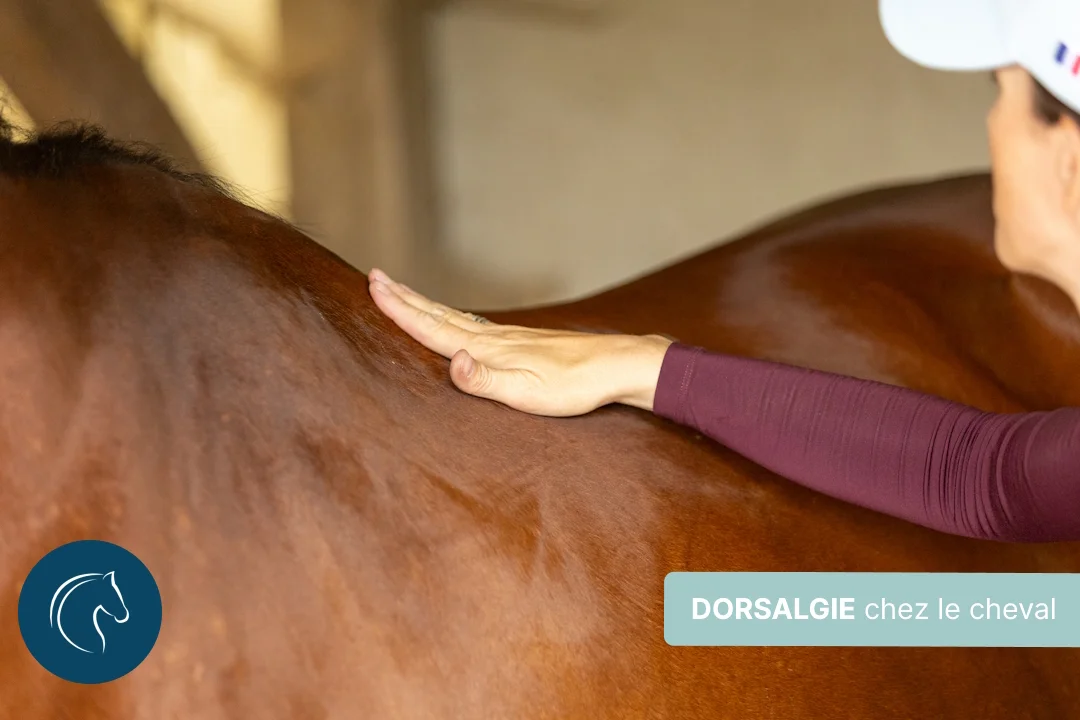
The horse's back is a complex structure, subject to significant mechanical stress both when ridden and in its natural state. Back pain is one of the most common causes of reduced performance, resistance to work, or behavioral changes. Often underestimated, it deserves special attention. Here's how to better understand it and help your horse feel more comfortable.
Why can a horse's back become painful?
Back pain can have many different causes, which are often combined. Here are the main factors to consider:
- Unsuitable equipment (poorly adjusted saddle, pad too thick or too thin), which creates localized pressure points on the apophyses or paravertebral muscles.
- Muscular imbalances caused by overly intense, poorly progressive, or unilateral work.
- Movement problems (limping, limb imbalance), which affect the spine.
- Joint or ligament damage (osteoarthritis of the intervertebral joints, kissing spines).
- A lack of physical fitness or resuming activity too quickly after a period of rest.
- Tensions caused by stress or an unsuitable environment.
What signs should raise alarm bells?
Horses cannot express their pain verbally, but their bodies speak. The following signs should catch your attention:
- Resistance to being saddled or harnessed, ears laid back, hard stare.
- Hollow back, tilted hindquarters, difficulty engaging or collecting.
- Mood swings, kicking, refusal to work.
- Asymmetrical musculature, tension felt by hand on the back muscles.
- Decline in performance without apparent cause: horse that "drops out," rushes, or loses momentum.
- Difficulty climbing stairs, backing up, or lying down and getting up.
How can you relieve and prevent back pain?
A comprehensive approach is essential to effectively treat back pain in horses. Here are the key areas to focus on:
- Have your saddle checked by a specialist: regular saddle adjustment is essential to avoid pressure points and imbalances.
- Consult a veterinarian: a clinical examination is essential to identify the source of the pain and rule out serious conditions (kissing spines, osteoarthritis, stress fracture).
- Seek help from wellness professionals: equine osteopaths, physical therapists, or massage therapists can help relieve muscle tension and restore mobility.
- Adapting your workout: gradual progression, thorough warm-up, relaxed exercise, balance between effort and recovery.
- Correcting lameness: any problem with the lower limbs affects the back; monitoring by a farrier is essential.
- Supporting muscles and joints: appropriate supplementation can help reduce inflammation and maintain flexibility.
In addition to these measures, a topical treatment made from natural ingredients can provide localized relief and contribute to the horse's daily comfort.
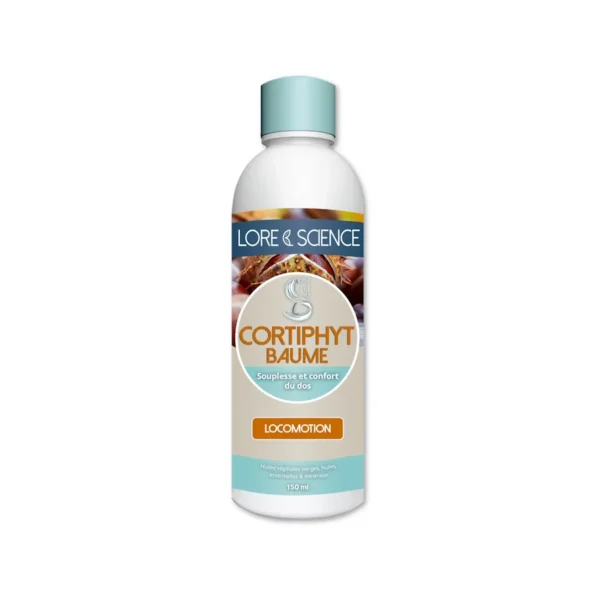
Cortiphyt Balm: a natural treatment for the comfort of your horse's back
Cortiphyt Balm is an external treatment based on plant extracts, designed to help horses suffering from back tension or pain. Easy to apply, it penetrates quickly into the tissue to act deep down.
The benefits of Cortiphyt Balm:
- Helps reduce muscle tension in the back
- Promotes muscle relaxation, useful after exercise.
- Supports back comfort and flexibility
Applied regularly to areas of tension, Cortiphyt Balm can easily be incorporated into a comprehensive care routine. It is not a substitute for veterinary advice, but is a simple and natural wellness treatment to support your horse on a daily basis.

Conclusion
Back pain in horses is a multifactorial issue that requires comprehensive management: veterinary assessment, equipment adjustment, gradual training, and appropriate care. By paying attention to the signals your horse sends you and taking action at the first sign of tension, you can help maintain your horse's comfort, mobility, and performance.
FAQ
How can you distinguish between back pain and a behavioral problem?
The two are often linked. A horse that shows signs of aggression when being saddled or resists work may be expressing pain. A clinical examination by a veterinarian can help to determine the cause.
Can you continue to work a horse with back pain?
It depends on the cause and severity. In any case, it is essential to consult your veterinarian before continuing or modifying the work program.
What is "kissing spines"?
Kissing spines (or spondylosis) is one of the most common causes of back pain in horses. The spines of several vertebrae touch or overlap, causing pain and inflammation. An X-ray diagnosis is necessary.
Is Cortiphyt Balm compatible with veterinary treatment?
Yes, it can be used as a supplement. It is advisable to inform your veterinarian.