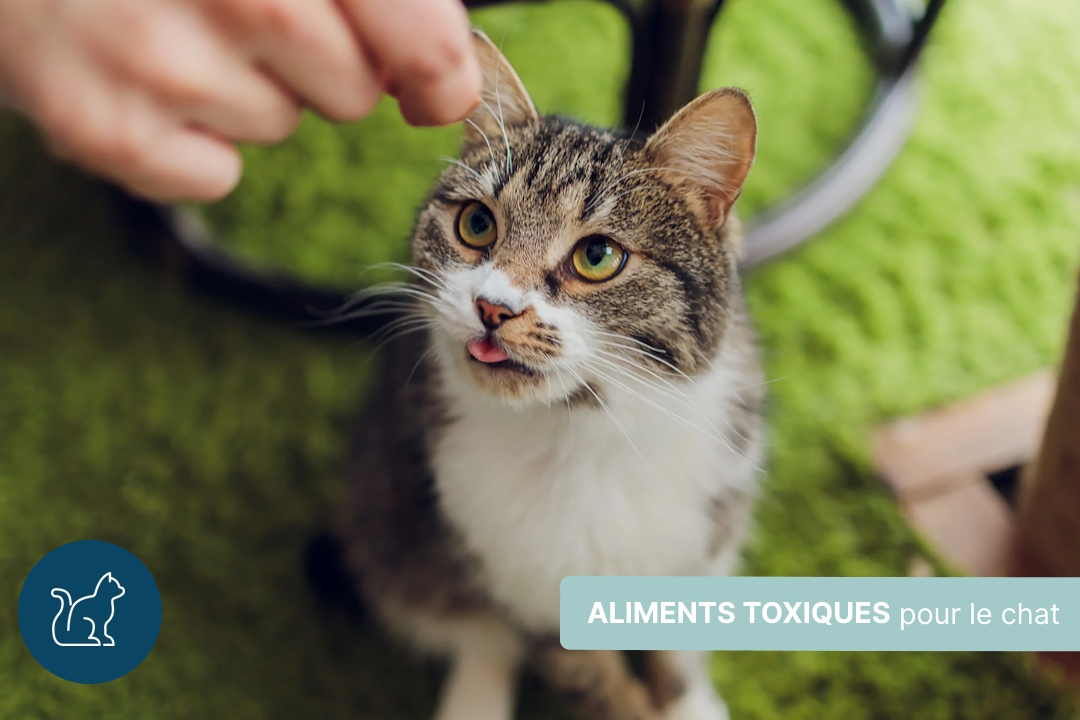
Cats, which are strictly carnivorous by nature, have a digestive system that is very different from ours. Many foods found in our kitchens can be dangerous or even fatal to them. Every year, food poisoning is one of the most common veterinary emergencies in cats.
Knowing which foods to avoid can help prevent accidents and protect your pet's health. This article details the main toxic foods, the symptoms of poisoning to look out for, and solutions for maintaining your cat's digestive health.
Why are certain foods dangerous for cats?
Understanding the mechanisms of toxicity helps you better protect your pet. Cats have a unique metabolism that makes them vulnerable to substances that are harmless to humans. Here are the main reasons for this sensitivity:
- A hepatic enzyme deficiency: the cat's liver does not produce certain enzymes capable of neutralizing compounds such as theobromine or disulfides.
- A digestive system adapted to animal proteins: plants and certain carbohydrates are poorly tolerated by his body.
- Small size: a minimal amount of toxic food represents a proportionally high dose for an animal weighing 3 to 5 kg.
- Sensitive gut flora: any unsuitable food can disrupt the balance of the microbiota and cause digestive problems.
- Exploratory behavior: a cat's natural curiosity may lead it to taste food left unattended.
Which foods should be strictly avoided?
The list of foods that are dangerous for cats is longer than you might think. Some cause immediate reactions, while others cause progressive damage to organs. Here are the main foods to keep out of your cat's reach:
- Chocolate: the theobromine it contains causes heart problems, tremors, and convulsions.
- Onions and garlic: these alliums destroy red blood cells and can cause severe anemia.
- Grapes and raisins: highly nephrotoxic, they can cause acute kidney failure.
- Avocado: Persin , which is present in all parts of the fruit, is toxic to the heart and digestive system.
- Coffee and tea: caffeine causes dangerous cardiac and nervous hyperexcitability.
- Alcohol: even in very small quantities, it can cause alcohol poisoning in cats.
- Xylitol: this sweetener, found in many products, causes sudden hypoglycemia.
- Dairy products: Lactose intolerance , common in adult cats, causes diarrhea and abdominal pain.
- Cooked bones: they can splinter and perforate the digestive tract.
What symptoms should alert you?
The signs of poisoning vary depending on the substance ingested and the amount. Some symptoms appear quickly, while others manifest themselves after several hours. Being attentive to these signs allows you to act quickly and improve the prognosis. Here are the main signs to watch out for:
- Repeated vomiting, sometimes with blood.
- Acute diarrhea that may progress to a hemorrhagic form.
- Excessive salivation or difficulty swallowing.
- Marked depression, prostration, or sudden weakness.
- Tremors, convulsions, or loss of coordination.
- Difficulty breathing or pale/bluish gums.
- Excessive thirst or abnormally frequent urination.
How should you respond to food poisoning?
When poisoning is suspected, every minute counts. Rapid treatment can make the difference between a full recovery and serious aftereffects. Here are the essential steps to take:
- Call the veterinarian immediately: describe the food ingested, the estimated amount, and the symptoms observed.
- Never induce vomiting without medical advice: some substances are more dangerous when they return to the body.
- Remove the toxic food: prevent further ingestion by the cat or other animals.
- Keep your cat calm: place it in a quiet place while waiting for the consultation.
- Supporting recovery: after the acute phase, supporting the intestinal flora helps restore digestive balance.
Once the crisis has passed, the cat's digestive system remains weakened. A natural supplement can help restore the microbiota and strengthen the intestinal defenses.
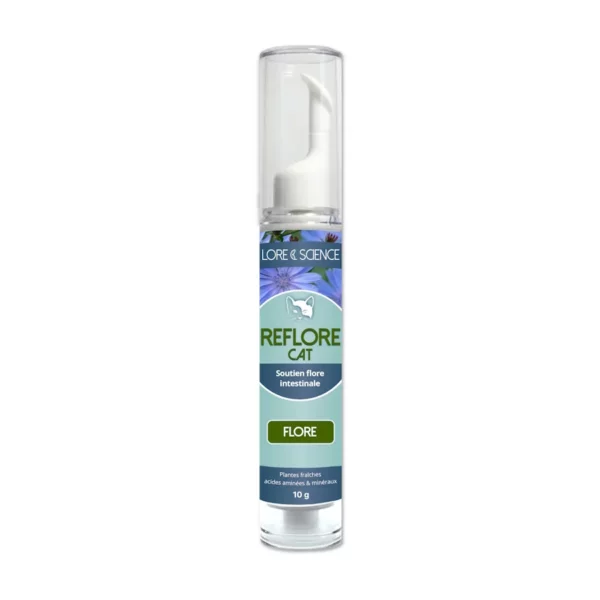
Reflore Cat: restoring intestinal flora after poisoning
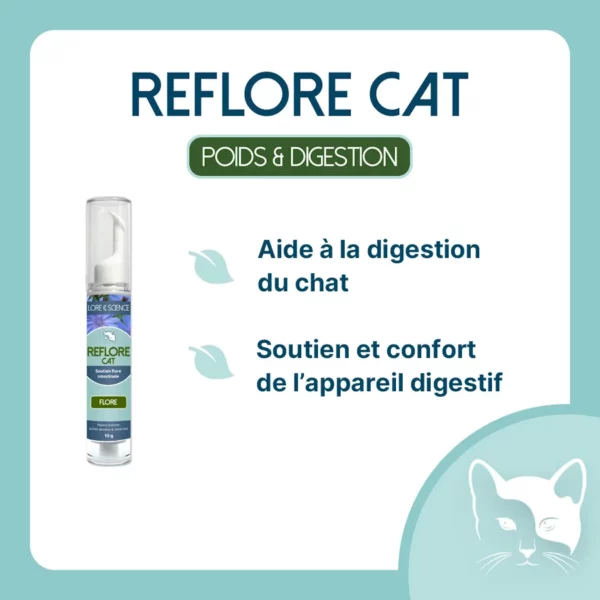
Reflore Cat is a natural dietary supplement formulated to support cats' digestive health. After an episode of poisoning, the intestinal microbiota is often disrupted. This supplement helps the body regain its balance. Its ingredients work synergistically to offer several benefits:
- Helps restorebalance to weakenedintestinal flora.
- Supports digestive comfort and soothes intestinal disorders.
- Promotes better nutrient absorption for optimal recovery.
- Helps strengthen the intestine's natural defenses.
- Promotes the restoration of vitality and overall well-being in cats.
Easy to administer in the daily ration, Reflore Cat effectively supports digestive recovery. It can also be used preventively to maintain a balanced microbiota in sensitive cats.
Prevention and natural care: a complementary approach
The best protection is prevention: store dangerous foods away, inform those around you, and monitor your cat's behavior. Despite all precautions, accidents can happen.
In this case, combining veterinary care with natural supplements optimizes recovery. The natural active ingredients in Reflore Cat work gently with the body, promoting gradual restoration of the microbiota without undesirable side effects. This comprehensive approach gives cats the best chance of quickly regaining their digestive health.
Conclusion
Protecting your cat from toxic foods is an essential part of everyday prevention. From chocolate to onions, grapes, and avocados, many common foods pose a real danger. In the event ofaccidental ingestion, quick action and veterinary care are essential.
FAQ
My cat licked some chocolate. Is that serious?
The severity depends on the amount and type of chocolate. Dark chocolate is more toxic than milk chocolate. If in doubt, contact your veterinarian immediately.
How long does it take for symptoms of poisoning to appear?
The first signs may appear within a few hours for digestive disorders, but some organ damage only becomes apparent after several days.
Can I give my cat milk?
Most adult cats are lactose intolerant. Opt for fresh water or, if you want to treat them, choose special lactose-free cat milk.
Can Reflore Cat be given after veterinary treatment?
Yes, it is even recommended to aid recovery and restore intestinal flora. Consult your veterinarian to determine the appropriate duration of treatment.
How can I make my home safe for my cat?
Store all hazardous foods in closed cupboards, do not leave leftovers on the table, secure your trash cans, and make sure everyone in your household is aware of these precautions.