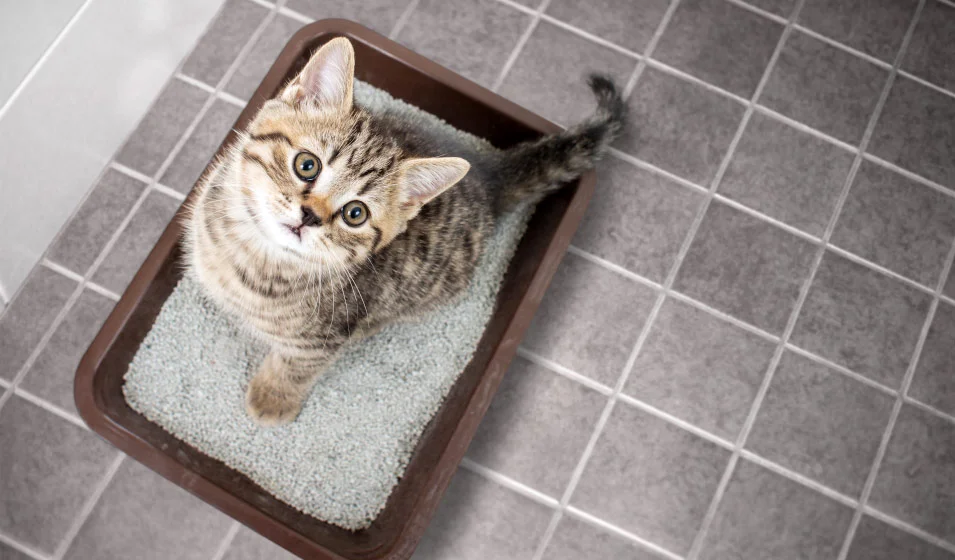
The liver and kidneys play a central role in theelimination of metabolic waste. In cats, a slowdown in these functions can result in fatigue, a dull coat, fussy digestion or a drop in vitality. Gentle, adapted hepato-renal drainage helps the body to recover from excesses (rich diet, drug treatments, convalescence) and regain greater comfort.
Why might a cat need hepato-renal drainage?
Hepato-renal drainage is not an "express cleansing", but a progressive support of the elimination pathways. Several factors can increase the workload on the liver and kidneys:
- Unsuitable food or treats that are too fatty/salty.
- Sedentary lifestyle, overweight or lack of hydration (cats who drink little).
- Post-medication periods (antibiotics, anti-inflammatories) or convalescence.
- Advanced age: elimination functions sometimes less efficient.
- Environmental stress (moving house, changes) that can disrupt appetite and digestive balance.
In these situations, a well-managed hepato-renal support protocol can help the body better metabolize and eliminate waste, while respecting feline sensitivity.
Signs to recognize: when to consider drainage?
Signs are often discreet in cats. Here are some signs that may prompt a consultation and the implementation of appropriate support:
- Less energy, more sleep, less interest in playing.
- Dull coat, dandruff, stronger breath than usual.
- Irregular transit (alternating soft and hard stools), fickle appetite.
- More concentrated urine or smellier litter (to be interpreted with the vet).
- Slow recovery after a period of treatment or stress.
These signs are not specific: only a veterinarian can diagnose them. Natural Drainage is a kind, supportive accompaniment to veterinary care.
How to act effectively: gentle protocol and useful gestures
Early, measured care is essential: the earlier we intervene, the faster the animal will regain comfort. Here are the main lines of action to focus on:
1) Health and nutrition
- Hydration: offer self-service fresh water, multiply water points, use a fountain if necessary.
- Ration: opt for a quality diet adapted to the cat's age and body condition; give preference to wet food if the cat drinks little.
- Shape weight: implement gradual weight loss in case of overweight, under veterinary supervision.
- Activity: stimulate calm, regular play to support metabolism.
2) Natural remedies and phytotherapy
Certain plants are traditionally used to support the liver and kidneys (e.g. milk thistle, artichoke, dandelion, orthosiphon). For cats, caution is essential: choose formulas adapted to the species, in appropriate doses, and seek the advice of your veterinarian in the event of ongoing treatment or known pathology.
3) Veterinary support
Veterinary advice is recommended prior to any protocol, especially if signs persist or worsen, or if your cat is elderly/fragile. The veterinarian will be able to suggest a check-up (clinical, blood, urine) and define the rhythm of hepato-renal support in complete safety.
Kidney Health Pack: natural support 🌿
Lore & Science's Kidney Health Pack combines two supplements designed to support your cat's organism on a daily basis.
The benefits of the Kidney Health Pack :
- Helps support liver and kidney functions
- Contributes to better elimination of metabolic waste
- Promotes gradual recovery after treatment or convalescence.
- Helps support the cat's immune system
By combining support for natural defenses and respectful drainage, it offers a complete approach: a clear protocol, easier administration and greater comfort for the cat.
-
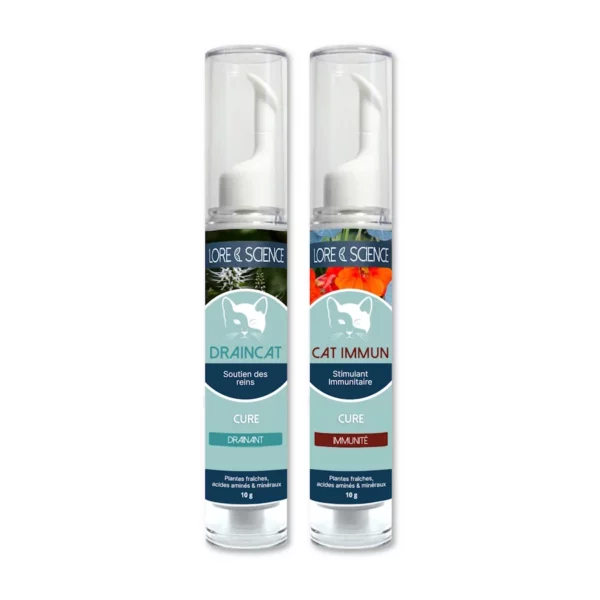

Kidney Health Pack - Cat urinary system drainer
The initial price was €37.80.34,02 €The current price is: €34.02.
Conclusion
Hepato-renal drainage in cats is part of an overall approach that includes hydration, a suitable diet, activity and natural support. Lore & Science's Kidney & Liver Health Pack complements these measures by providing progressive support for elimination functions. Implemented early and regularly, it helps maintain your pet's vitality and well-being.
FAQ
How often should cats be drained?
Frequency depends on age, lifestyle and individual needs. Many owners opt for short, regular cures (e.g. at each change of season), following veterinary advice.
Can a cat that drinks very little benefit from drainage?
Yes, but the priority is to increase hydration (fresh water, fountains, wet food). Drainage does not replace hydration; it works in conjunction with it.
Are there any contraindications?
In case of diagnosed pathology (renal or hepatic insufficiency) or ongoing treatment, ask your veterinarian for advice before starting any treatment. Some plants and dosages are not suitable for all profiles.