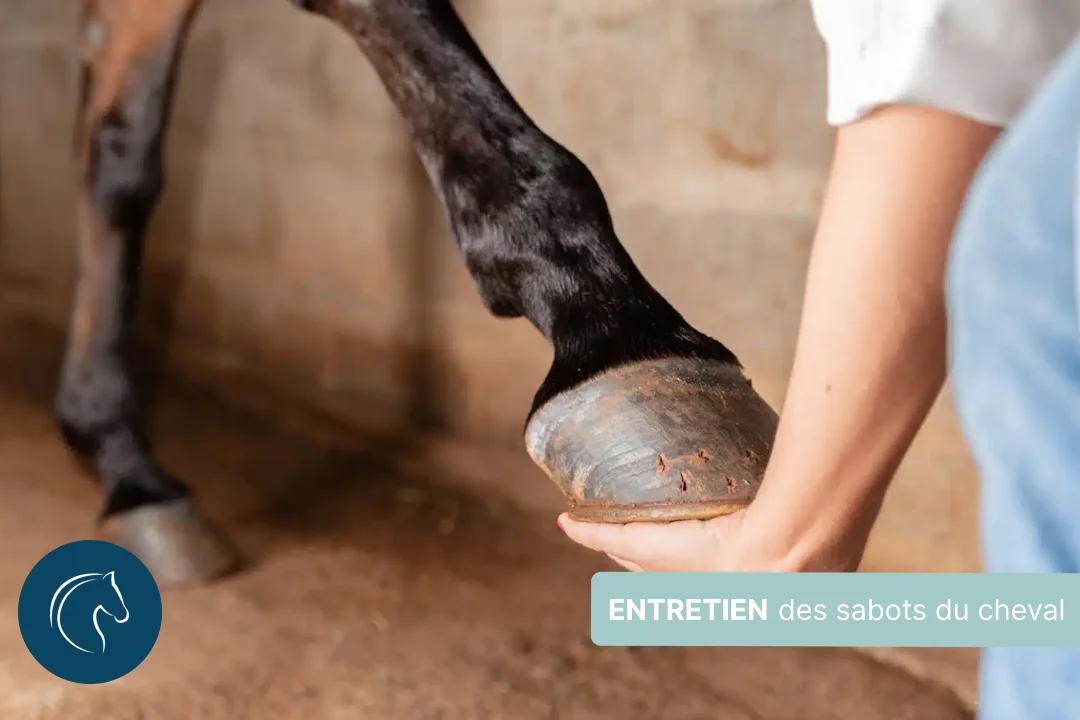
The hoof horn protects the foot and helps cushion it. When it becomes dry, brittle, or uneven, the horse may experience discomfort and be prone to cracks or sensitivity on certain types of terrain.
These vulnerabilities are common during seasonal changes and depending on the environment.
Here's how to understand the causes, recognize the warning signs, and take action with concrete solutions.
Why can hoof horn become brittle?
Understanding the causes of poor hoof quality is essential in order to take effective action. In most cases, several factors combine to gradually weaken the foot: living conditions, trimming, mechanical stress, and nutritional balance.
Here are the main factors that can cause dry, brittle, or uneven corneas:
- Alternating humidity and dryness causes the water content of the horn to vary and promotes cracking.
- Inappropriate trimming or shoeing, or excessive delays between two interventions.
- Poor environment (mud, wet bedding, urine), which softens the horn and weakens the frog.
- Poor diet or diet lacking in nutrients beneficial to keratinized tissues.
- Significant mechanical stress (abrasive soil, intense work), which increases wear and tear and microtrauma.
What signs should raise alarm bells?
The symptoms may go unnoticed at first, especially if the horse compensates by changing its footing. However, certain visible signs on the foot or changes in locomotion should attract the owner's attention.
Being attentive to these symptoms allows for faster and more effective treatment. Here are the main signs to watch out for:
- Dull, dry surface with chips or brittle areas.
- Cracks or fissures (seimes), sometimes painful if they deepen.
- White line that is fragile or coming apart, with accumulation of dirt.
- Soft, foul-smelling fork, often associated with excess moisture and lack of ventilation.
- Sensitivity on hard/rocky ground, shortened strides, or hesitation to put your foot down.
- Unusual warmth in the foot or discomfort when handling (foot care, cleaning).
How can you effectively care for hoof horn?
When faced with this type of problem, a comprehensive approach is recommended, combining hygiene measures, environmental management, monitoring by a farrier, and nutritional support if necessary.
Here are some practical tips to help your horse regain healthier, more even, and more comfortable hooves:
- Schedule regular follow-ups: on average every 5 to 8 weeks, depending on growth and activity.
- Clean and inspect the feet: frog, white line, wall, and presence of foreign bodies.
- Clean up the environment: dry area, clean bedding, limited muddy areas, drainage if possible.
- Depending on the weather: prioritize cleanliness in wet conditions, support flexibility in dry conditions.
- Balanced diet: high-quality forage and adequate mineral intake.
- Consult quickly in case of lameness, strong odor, or deep cracks.
In addition to these measures, a nourishing external treatment can help preserve the elasticity of the horn and protect the foot from everyday wear and tear.
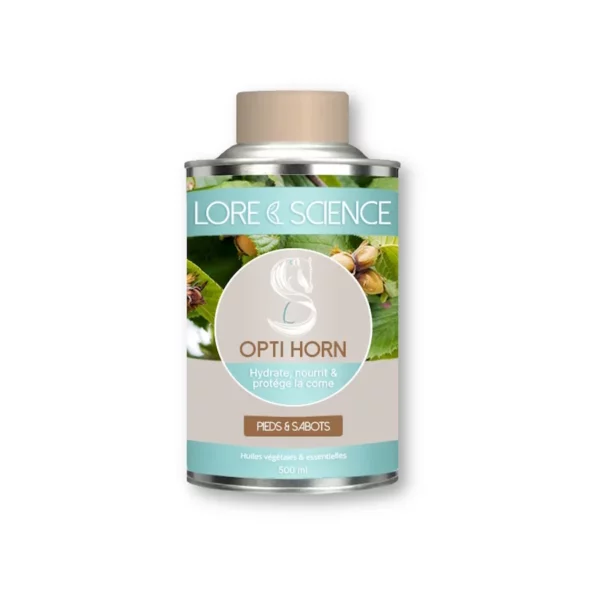
Opti Horn: a natural treatment to nourish and protect hooves
Opti Horn is a 100% natural external treatment designed for regular care of horses' feet and for dry or damaged hooves. Its oily texture nourishes the horn and helps to create a protective film on the wall. It is also appreciated during periods of exertion thanks to its cooling effect.
The advantages of Opti Horn:
- Helps nourish dry hooves and restore greater flexibility to the hoof wall.
- Supports hoof protection by helping to form a protective film against external aggressions.
- Helps limit small chips and cracks caused by dryness and wear.
- Promotes foot comfort with a cooling effect that is useful after exercise or during periods of sensitivity.
Apply to clean, dry feet 2 to 3 times a week (or more as needed). It's a simple step to keep your feet looking more even and feeling more comfortable.

Conclusion
High-quality hooves are built over time: proper trimming, clean feet, a healthy environment, and a balanced diet make all the difference. By identifying dryness, cracks, or fragility in the frog early on, you can protect your horse's comfort and mobility.
As part of a natural prevention approach, Opti Horn by Lore & Science can be a useful ally in nourishing, protecting, and providing comfort to the hoof, complementing good daily practices.
FAQ
How often should a horse's hooves be cleaned?
As often as possible, ideally every day. This limits foreign objects and allows for early detection of a damaged fork or crack.
How long does it take to see an improvement in the cornea?
The horn renews itself slowly. An improvement can be seen within a few weeks, but lasting change often takes several months.
Do barefoot horses require different care?
Often yes: appropriate trimming, gradual transition on hard ground and, if necessary, occasional protection on aggressive terrain.
When should you seek emergency medical attention?
In case of lameness, excessive heat in the foot, pronounced digital pulse, very strong odor, or deep cracks.
Is Opti Horn suitable for regular use and how should it be applied?
Yes. Apply to clean, dry hooves, covering the entire foot. The usual frequency is 2 to 3 times a week, to be adjusted according to the season.