
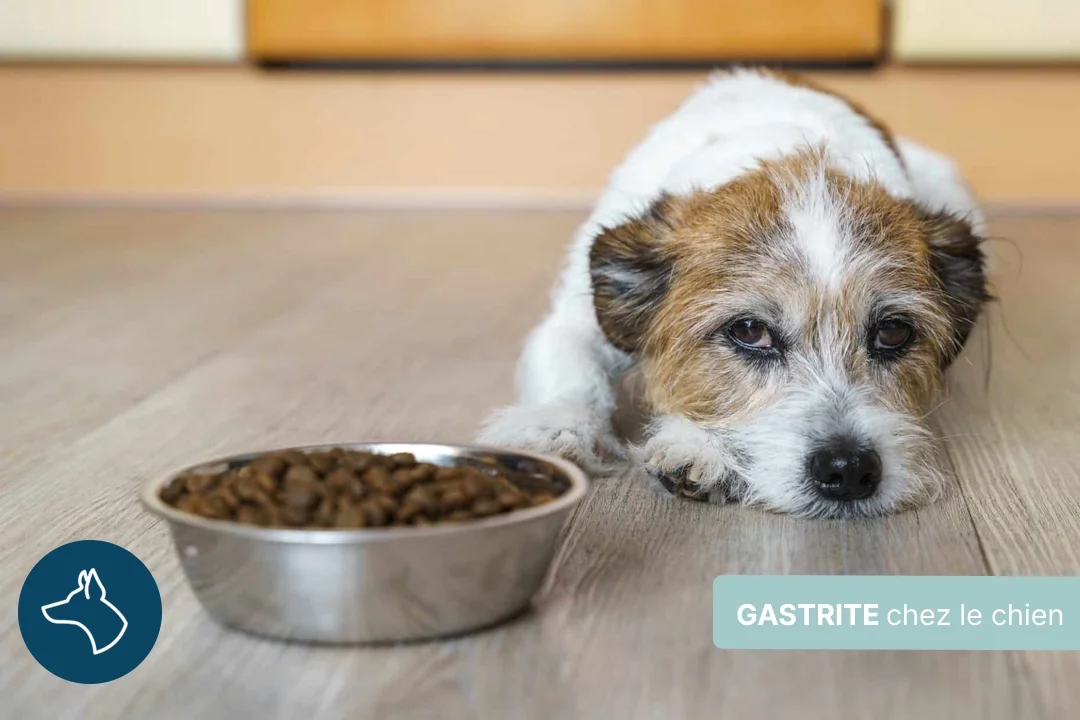
Understand and naturally relieve canine digestive disorders.
Gastritis is an inflammation of the mucous membrane of the dog's stomach, often underestimated but nonetheless common. It can be acute or chronic, causing a variety of digestive symptoms of varying intensity. In this article, find out why your dog may suffer from gastritis, how to recognize the signs in good time and what natural solutions can help him regain good digestive comfort.
Why can a dog suffer from gastritis?
Gastritis in dogs is a multifactorial disorder: it can be linked to dietary errors, stress, infection or chronic irritation of the gastric mucosa. Understanding its origins enables us to adapt care and prevention measures.
- A diet that is unsuitable, too fatty, too rich or of poor quality.
- Ingestion ofspoiled food, table scraps or irritants (plants, household products, etc.).
- Stress, changes in routine oranxiety that disrupt the digestive system.
- Certain bacterial infections (such as Helicobacter), or the presence of intestinal parasites.
- Prolonged use of medications (anti-inflammatories, corticoids) that can irritate the stomach.
Signs to recognize
Depending on its severity, gastritis can be discreet or more pronounced. Careful observation of your dog's behaviour is essential to detect the first signs and act quickly.
- Repeated vomiting (often of bile, especially on an empty stomach).
- Loss of appetite or changes in eating habits.
- Sluggishness, lethargy or unusual nervousness.
- Excessive salivation, nausea, frequent yawning.
- Abdominal pain: the dog curls up or moans when touched.
- Progressive weight loss in chronic gastritis.
How to deal effectively with gastritis in dogs?
Prompt treatment is essential to avoid complications (ulcers, dehydration, weight loss). Here are the key steps:
- Consult a veterinarian: Diagnosis is based on a clinical examination, sometimes supplemented by a blood test or ultrasound scan. The veterinarian can adapt the diet and prescribe symptomatic treatment.
- Adapt your diet: give preference to highly digestible food, in small quantities but more frequently.
- Avoid fatty foods, industrial sweets and table scraps.
- Choose lean proteins (chicken, turkey, rice, cooked carrots, etc.).
- At the same time, natural supplements can soothe the gastric mucosa, regulate acidity and promote intestinal flora.
Gastro Dog: natural support for your dog's stomach
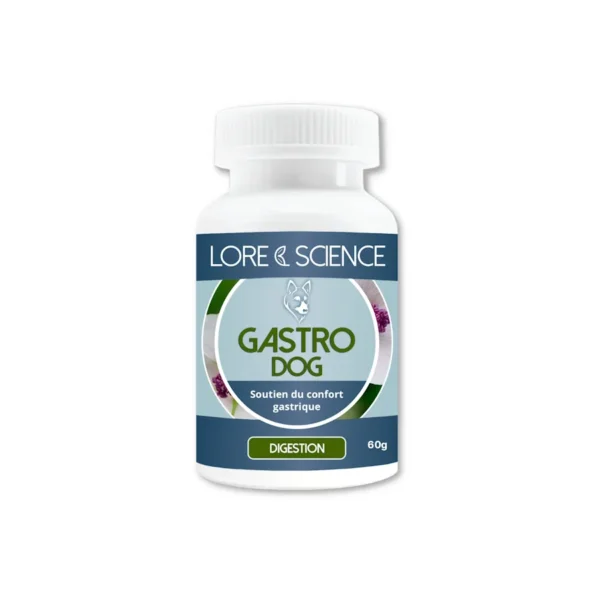
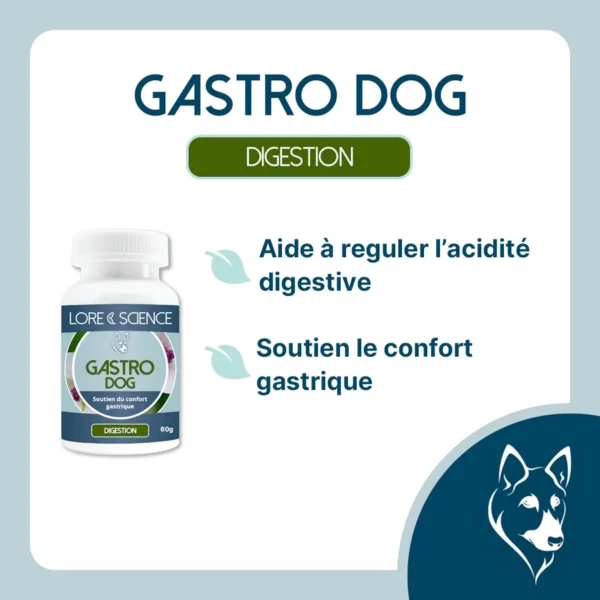
Gastro Dog is a natural food supplement formulated for the digestive well-being of dogs. Its composition combines soothing plants and nutrients essential for gastric comfort.
The benefits of Gastro Dog :
- Helps soothe the stomach mucosa.
- Supports digestion and intestinal transit.
- Helps reduce stress-related stomach upsets.
- Promotes appetite and digestive recovery.
- Contributes to the natural protection of the gastric wall.
Thanks to its natural formula, Gastro Dog can be easily integrated into a dog's daily diet. It helps maintain your dog's digestive health, reducing episodes of vomiting and the need for repeated veterinary visits.
Conclusion
Gastritis in dogs is a common but often reversible condition when detected early. A balanced diet, good stress management and the use of natural supplements like Gastro Dog can provide lasting stomach relief and improve your companion's quality of life.
FAQ
How can I tell if my dog is suffering from gastritis?
Vomiting on an empty stomach, loss of appetite and listless behavior are often revealing. A veterinary consultation will confirm the diagnosis.
How serious is gastritis in dogs?
Usually not, but it can become chronic or complicated by ulcers if not treated promptly.
My dog vomits in the morning on an empty stomach. Is it gastritis?
This is common when the stomach is too empty; bile irritates the mucous membrane. A light meal before bedtime and a digestive supplement can help.
Can Gastro Dog be combined with veterinary treatment?
Yes, Gastro Dog can be used as a complement to medical treatment, with the advice of a veterinarian.